Trusted company that deals in Quality-made products


 Send Inquiry
Centrifuge Tube Filters
Price 1000 INR/ Piece
MOQ : 1000 Pieces
Centrifuge Tube Filters Specification
- Size
- 150 Ml
- Height
- 138 Millimeter (mm)
- Product Type
- Tube Filters
- Weight
- 1.5 Kilograms (kg)
- Color
- White
- Material
- PP
Centrifuge Tube Filters Trade Information
- Minimum Order Quantity
- 1000 Pieces
- Supply Ability
- 1 Piece Per Week
- Delivery Time
- 1 Week
- Main Domestic Market
- All India
About Centrifuge Tube Filters
Corning Costar Spin-X Centrifuge Tube Filters
| Related Categories | Centrifuge Filtration, Core Bioreagents, Corning, Corning Costar Spin-X Centrifuge Tube Filters, Corning Costar Spin-X Plastic Centrifuge Tube Filters, |
| material | cellulose acetate membrane |
| natural polypropylene cap | |
| polypropylene housing | |
| polypropylene tube | |
| description | centrifuge style filter |
| sterility | sterile |
| feature | RCF 16,000 g |
Durable Polypropylene Construction
Crafted from premium PP material, these centrifugal tube filters are designed to withstand rigorous laboratory conditions. The polypropylene ensures chemical resistance and long-lasting performance, making them suitable for both routine and specialized applications.
Efficient Filtration for Laboratories
These tube filters support up to 150 ml volume, optimizing sample throughput for research facilities. Their precise size and robust build guarantee efficient filtration, contributing to accurate and reproducible experimental outcomes.
FAQ's of Centrifuge Tube Filters:
Q: How do I use a 150 ml Centrifuge Tube Filter in my laboratory processes?
A: To use the 150 ml Centrifuge Tube Filter, introduce your sample into the tube, secure the filter cap, and place it in the centrifuge. The filter separates particulates from the liquid under centrifugal force, providing a clean filtrate for further analysis.Q: What are the advantages of choosing PP (polypropylene) as the material for these filters?
A: Polypropylene offers excellent chemical resistance, durability, and is non-reactive with most biological and chemical reagents. This makes it a preferred material for laboratory filtration, ensuring sample integrity and extended product lifespan.Q: When should I replace my centrifuge tube filters to maintain optimal performance?
A: Replace your tube filters after each filtration if working with biohazardous or highly reactive samples. For routine applications, follow your laboratory's guidelines or replace the filter if you observe any signs of clogging, discoloration, or decreased flow rate.Q: Where are these Centrifuge Tube Filters manufactured and distributed?
A: These centrifuge tube filters are manufactured, supplied, exported, and traded by reputable companies based in India. They are available both domestically and internationally through various distribution channels.Q: What is the process of filtration using these centrifuge tube filters?
A: The filtration process involves placing your sample inside the tube, securing the cap, and centrifuging at appropriate speed. The filter separates solids from the liquid, allowing for easy collection of the filtrate after centrifugation.Q: How can using these filters benefit my laboratory applications?
A: They provide reliable separation of particulates, help ensure sample clarity, and reduce contamination risks. This enhances the accuracy of downstream applications, improves workflow efficiency, and strengthens overall laboratory productivity.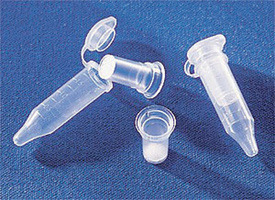
Tell us about your requirement

Price:
Quantity
Select Unit
- 50
- 100
- 200
- 250
- 500
- 1000+
Additional detail
Mobile number
Email

More Products in Laboratory Filtration Products Category
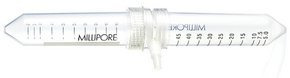
Centrifuge Tube Filter Unit
Price 1000 INR / Unit
Minimum Order Quantity : 1 Unit
Material : Polypropylene
Product Type : Tube Filter
Color : White
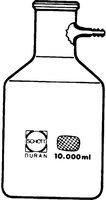
Filtering Bottle Flask
Price 1000 INR / Unit
Minimum Order Quantity : 1 Unit
Material : Borosilicate Glass
Product Type : Bottle Flask
Color : White
Weight : 1.5 Kilograms (kg)
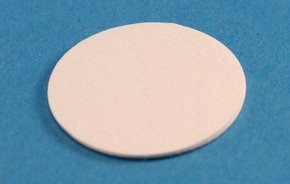
Glass-Fiber Filters
Price 1000 INR / Unit
Minimum Order Quantity : 1 Unit
Material : Glass
Product Type : GlassFiber Filters
Color : Cream
Weight : 1.5 Kilograms (kg)
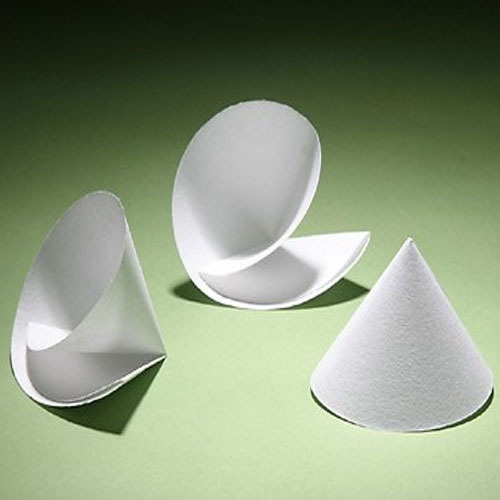
Filter Papers
Price 1000 INR / Unit
Minimum Order Quantity : 1 Unit
Material : Paper
Product Type : Filter Papers
Color : White
Weight : 1.5 Kilograms (kg)

Contact Details

- 104 / 14 B, Muljinagar society, Nizampura,Vadodara - 390002, Gujarat, India
- Phone :07971670415

- Mr Mr Chintak (Partner)
- Mobile :07971670415
- Send Inquiry
 Send Inquiry

 Send Inquiry
 Send SMS
 Call Me Free
CHINTAN ENTERPRISE
All Rights Reserved.(Terms of Use)
Developed and Managed by Infocom Network Private Limited.
Developed and Managed by Infocom Network Private Limited.
