Trusted company that deals in Quality-made products


 Send Inquiry
Filtering Bottle Flask
Price 1000 INR/ Unit
MOQ : 1 Unit
Filtering Bottle Flask Specification
- Heating Capacity
- Can withstand direct heating under laboratory conditions
- Glass Type
- Heavy wall Borosilicate
- Features
- Conical shape with side-arm for vacuum connection, graduation markings
- Temperature Resistance
- Up to 250C
- Shape
- Conical
- Accuracy
- As per calibrated glassware standards
- Type
- Filtering Bottle Flask
- Dimension (L*W*H)
- Varies as per capacity (commonly available: 250ml, 500ml, 1000ml sizes)
- Height
- 184 Millimeter (mm)
- Product Type
- Bottle Flask
- Equipment Type
- Laboratory Glassware
- Weight
- 1.5 Kilograms (kg)
- Equipment Materials
- Borosilicate Glass
- Color
- White
- Material
- Borosilicate Glass
- Application
- Laboratory filtration, separation of precipitates, vacuum filtration
- Capacity (Ltr)
- 250 ml, 500 ml, 1000 ml
- Sterilizability
- Autoclavable or can be sterilized at 121C
- Chemical Resistance
- High, suitable for acids and bases
- Surface Finish
- Clear, transparent
- Packaging
- Individually wrapped or as specified by supplier
- Neck Type
- Single neck with standard taper ground joint
- Graduations
- Marked for volume measurement
- Side Arm
- Glass, suitable for vacuum tubing attachment
- Compliance
- ASTM E1404 and other relevant laboratory glassware standards
- Autoclavable
- Yes
Filtering Bottle Flask Trade Information
- Minimum Order Quantity
- 1 Unit
- Supply Ability
- 1 Unit Per Week
- Delivery Time
- 1 Week
- Main Domestic Market
- All India
Filtering Bottle Flask About
Properties
| Related Categories | Duran, Duran Flasks, Duran filtering bottle flask, Filtering Bottle Flask, Filtering Flasks, |
| material | borosilicate glass |
| sterility | non-sterile |
| feature | closure type glass hose connector |
| packaging | pack of 1 |
| mfr. no. | DURAN |
| Schott | |
| availability | not available in USA and Canada |
Superior Chemical and Thermal Durability
Constructed using heavy wall borosilicate glass, this filtering bottle flask excels in resisting acids, bases, and thermal shocks. Its structure tolerates direct heating and extreme laboratory conditions, offering long-term reliability and safety for repetitive use.
Precision Graduations and Standard Taper Joint
Each flask incorporates clear, marked graduations to promote accurate volume measurements, complemented by a single neck with a standard taper ground joint for secure compatibility with laboratory apparatus. The conical shape enhances efficient filtration processes.
Optimized for Vacuum Filtration Applications
The glass side arm is engineered for easy connection to vacuum tubing, supporting robust vacuum filtration and swift separation of precipitates. Suitable for a wide range of laboratory filtration processes, it ensures dependable performance in both research and industrial environments.
Autoclavable and Compliant with Global Standards
Safely sterilize these flasks at 121C in autoclaves. Each unit is manufactured in accordance with ASTM E1404 and related laboratory glassware standards, ensuring trustworthy quality and consistent performance wherever laboratory glassware is required.
FAQ's of Filtering Bottle Flask:
Q: How is the filtering bottle flask used in laboratory vacuum filtration?
A: To use the filtering bottle flask, attach vacuum tubing to the glass side arm, secure a suitable filter setup atop the conical opening, and connect the flask to a vacuum source. The system allows liquids to pass through the filter under reduced pressure, separating precipitates effectively.Q: What makes borosilicate glass ideal for this equipment type?
A: Borosilicate glass provides superior chemical resistance to acids and bases, high thermal shock tolerance, and clarity. These qualities guarantee safety, longevity, and precise measurements, which are crucial during filtration and other laboratory operations.Q: When should this flask be sterilized, and how is it safely autoclaved?
A: Sterilize the bottle flask before and after filtration processes, especially when working with sensitive samples. It is autoclavable at 121C; ensure gradual cooling after sterilization to prevent stress or cracking of the glass.Q: Where are the graduations located, and how accurate are they?
A: The graduations are marked clearly on the transparent surface of the flask, enabling easy volume reading. They adhere to calibrated laboratory glassware standards, ensuring accurate measurement for reliable result replication.Q: What benefits does compliance with ASTM E1404 bring?
A: ASTM E1404 compliance ensures the flask meets international benchmarks for material quality, dimensional precision, and chemical resistance. Users are assured of repeatable performance and compatibility with global laboratory protocols.Q: How does the side-arm design enhance the filtration process?
A: The glass side-arm provides a secure connection for vacuum tubing, enabling efficient vacuum-driven filtration. This design accelerates the separation of liquids from solids, increasing productivity and ensuring cleaner filtrates.Q: What packaging methods are available, and why are they important?
A: Flasks are individually wrapped or packaged per customer specification, protecting against contamination and damage during transport. This ensures each flask is delivered ready for immediate laboratory use.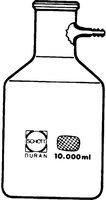
Tell us about your requirement

Price:
Quantity
Select Unit
- 50
- 100
- 200
- 250
- 500
- 1000+
Additional detail
Mobile number
Email

More Products in Laboratory Filtration Products Category
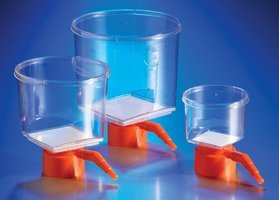
Bottle-Top Vacuum Filters
Price 1000 INR / Unit
Minimum Order Quantity : 1 Unit
Color : White and Orange
Weight : 1.5 Kilograms (kg)
Product Type : Vacuum Filters
Material : Sterile plastic body with membrane filter
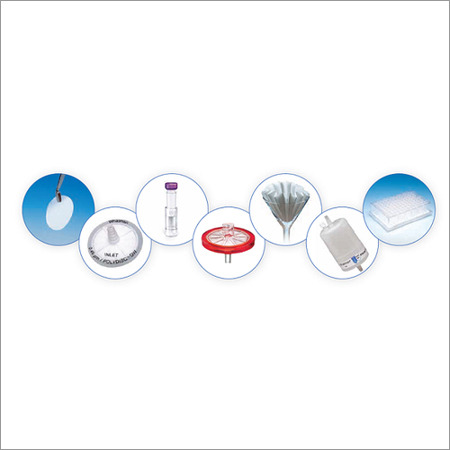
Laboratory Filters
Price 1000 INR / Unit
Minimum Order Quantity : 1 Unit
Color : White and Sky Blue
Weight : 1.5 Kilograms (kg)
Product Type : Laboratory Filters
Material : Paper
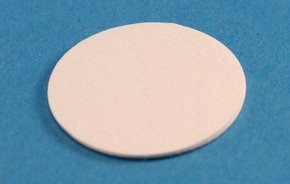
Glass-Fiber Filters
Price 1000 INR / Unit
Minimum Order Quantity : 1 Unit
Color : Cream
Weight : 1.5 Kilograms (kg)
Product Type : GlassFiber Filters
Material : Glass
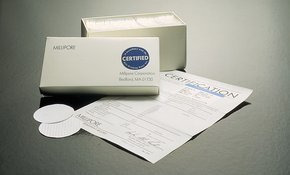
Filteres Membranfor microbiological analysis
Price 1000 INR / Unit
Minimum Order Quantity : 1 Unit
Color : White
Weight : 1.5 Kilograms (kg)
Product Type : Filteres Membranfor
Material : Cellulose nitrate

Contact Details

- 104 / 14 B, Muljinagar society, Nizampura,Vadodara - 390002, Gujarat, India
- Phone :07971670415

- Mr Mr Chintak (Partner)
- Mobile :07971670415
- Send Inquiry
 Send Inquiry

 Send Inquiry
 Send SMS
CHINTAN ENTERPRISE
All Rights Reserved.(Terms of Use)
Developed and Managed by Infocom Network Private Limited.
Developed and Managed by Infocom Network Private Limited.
