Trusted company that deals in Quality-made products


 Send Inquiry
Acetonitrile
Price 305 INR/ Liter
MOQ : 1 Liter
Acetonitrile Specification
- Refractive Index
- 1.344 (at 20C)
- Solubility
- Miscible with water and most organic solvents
- Stability
- Stable under recommended storage conditions
- UN Number
- UN 1648
- Odor
- Ethereal
- Auto-Ignition Temperature
- 524C
- Regulatory Compliance
- Meets ACS and ISO Standards
- EC No.
- 200-835-2
- Hazard Information
- Flammable, Harmful if inhaled or swallowed
- Vapor Pressure
- 88 hPa at 20C
Acetonitrile Trade Information
- Minimum Order Quantity
- 1 Liter
- Payment Terms
- Cash Advance (CA), Cash in Advance (CID)
- Supply Ability
- 1 Liter Per Week
- Delivery Time
- 1 Week
- Main Domestic Market
- All India
About Acetonitrile
Solvents for GC applications
grade | for mass spectrometry |
vapor density | 1.41 (vs air) |
vapor pressure | 72.8 mmHg ( 20 C) |
InChI Key | WEVYAHXRMPXWCK-UHFFFAOYSA |
autoignition temp. | 973 F |
expl. lim. | 16 % |
refractive index | n |
Description
Packaging
1 L in glass bottle
100, 250 mL in glass bottle
Exceptional Quality and Versatility
Our Acetonitrile stands out for its exceptional purity of 99.9% and consistent performance across a range of analytical, synthetic, and laboratory applications. This colorless, neutral liquid integrates seamlessly with water and most organic solvents, making it indispensable in chromatography, chemical synthesis, and the pharmaceutical industry. Each batch complies fully with ACS and ISO standards to assure reliability and safety in industrial and research environments.
Safe Handling and Storage Instructions
Despite its broad utility, Acetonitrile is both flammable and harmful if inhaled or ingested. To maximize safety and product longevity, it should be stored in cool, dry, well-ventilated areas-away from heat sources and incompatible materials. Our product is offered in secure glass bottles, HDPE carboys, or drums, ensuring both flexibility and protection during storage or transport. Follow all recommended guidelines to ensure optimal handling, stability, and shelf life.
FAQ's of Acetonitrile:
Q: How should acetonitrile be safely stored and handled?
A: Acetonitrile must be kept in a cool, dry, and well-ventilated area away from heat, flame sources, and incompatible materials. Always use protective equipment when handling to avoid harmful inhalation or ingestion, given its hazardous classification. Store in tightly sealed containers such as glass bottles or HDPE carboys and follow all safety protocols.Q: What are the primary applications of acetonitrile in laboratories and industry?
A: Acetonitrile is widely used as a solvent in pharmaceutical production, chromatography, laboratory reagent preparation, and various types of chemical synthesis. Its excellent miscibility and high purity make it particularly valuable for analytical and synthetic processes across multiple sectors.Q: When is acetonitrile most commonly utilized in analytical procedures?
A: Acetonitrile's consistent performance under neutral pH and miscibility with liquids makes it a preferred choice in chromatographic separations, particularly high-performance liquid chromatography (HPLC). It is also frequently used in analytical and preparative chemistry due to its purity and solvent properties.Q: Where can acetonitrile be sourced with regulatory compliance and quality assurance?
A: Acetonitrile that meets ACS and ISO regulatory standards can be sourced from certified distributors, exporters, manufacturers, suppliers, and traders throughout India. Our product is available with documented compliance and quality for both domestic and international customers.Q: What is the process for packaging and shipping acetonitrile?
A: To ensure safety and maintain integrity, acetonitrile is packaged in glass bottles, HDPE carboys, or drums according to customer needs. Each package is clearly labeled with hazard and regulatory details to comply with international shipping standards for chemical substances.Q: What are the main benefits of using high-purity acetonitrile for analytical and synthetic applications?
A: High-purity acetonitrile ensures reproducibility and reliability of results in both research and industrial settings. Its stability, low impurity profile, and consistent physical properties help achieve precise chromatographic separations and efficient chemical syntheses.Q: How long is the shelf life of acetonitrile and under what conditions is it stable?
A: When stored properly in a cool, dry, and ventilated area, acetonitrile remains stable and effective for up to 2 years. Proper packaging and adherence to recommended storage conditions ensure maximum shelf life and maintain chemical integrity.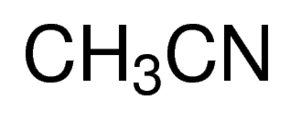
Tell us about your requirement

Price:
Quantity
Select Unit
- 50
- 100
- 200
- 250
- 500
- 1000+
Additional detail
Mobile number
Email

More Products in Chromatography Reagents & Solvents Category
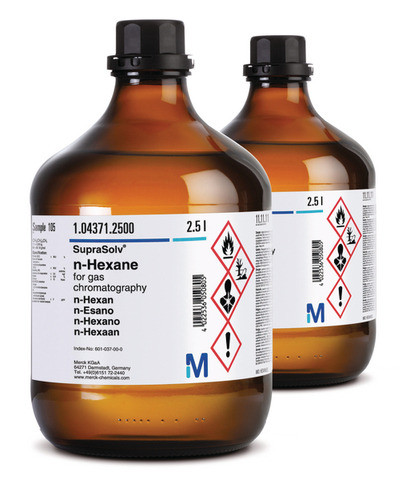
Acetone Chemical
Price 305 INR / Kilograms
Minimum Order Quantity : 1 Kilograms
Application : Used as solvent in paints, coatings, adhesives, pharmaceuticals, cosmetics, and chemical synthesis
Grade : Chemicals
Type : Industrial Lab Chemicals
Storage Instructions : Store in a cool, dry, wellventilated area away from heat and ignition sources

Heptane
Price 305 INR / Kilograms
Minimum Order Quantity : 1 Kilograms
Application : Solvent, pharmaceuticals, laboratory chemicals
Grade : Chemicals
Type : Industrial Lab Chemicals
Storage Instructions : Store in a cool, wellventilated place, keep container tightly closed
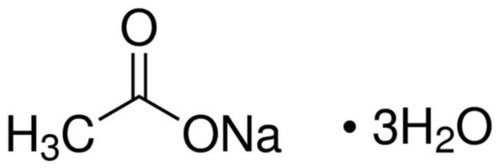
Sodium acetate trihydrate
Price 305 INR / Kilograms
Minimum Order Quantity : 1 Kilograms
Application : Textile industry, Tanning, Printing, Laboratory reagent, Buffer solutions, Food additive
Grade : Chemicals
Type : Industrial Lab Chemicals
Storage Instructions : Store in a cool, dry, wellventilated area, away from incompatible substances.

Potassium dihydrogen phosphate anhydrous
Price 305 INR / Kilograms
Minimum Order Quantity : 1 Kilograms
Application : Laboratory, industrial, fertilizer, and food industry
Grade : Chemicals
Type : Industrial Lab Chemicals
Storage Instructions : Store in a tightly closed container, in a cool, dry, wellventilated area

Contact Details

- 104 / 14 B, Muljinagar society, Nizampura,Vadodara - 390002, Gujarat, India
- Phone :07971670415

- Mr Mr Chintak (Partner)
- Mobile :07971670415
- Send Inquiry
 Send Inquiry

 Send Inquiry
 Send SMS
 Call Me Free
CHINTAN ENTERPRISE
All Rights Reserved.(Terms of Use)
Developed and Managed by Infocom Network Private Limited.
Developed and Managed by Infocom Network Private Limited.
