Trusted company that deals in Quality-made products


 Send Inquiry
Methanol
Price 305 INR/ Milliliter
MOQ : 1 Ton
Methanol Specification
- Molecular Weight
- 32.04 g/mol
- Flash Point
- 12 C
- Boiling point
- 64.7 C
- Storage Instructions
- Store in a cool, dry place, away from heat and ignition sources.
- Density
- 0.7918 Gram per cubic centimeter(g/cm3)
- Size
- 250 ml, 500 ml, 1 L, 5 L
- Purity
- >99.9%
- Ph Level
- Neutral
- Usage
- Chemical Synthesis, Fuel, Solvent
- Shelf Life
- 24 Months
- CAS No
- 67-56-1
- Physical State
- Liquid
- Melting Point
- -98 C
- Packaging Type
- Drum
- Molecular Formula
- CH3OH
- Grade
- Chemicals
- Type
- Industrial Lab Chemicals
- Application
- Laboratory, Industrial, Solvent
- Appearance
- Colorless
- Purity(%)
- 99%
- HS Code
- 29051100
- Vapor Pressure
- 96 mmHg (20 C)
- UN Number
- 1230
- Auto Ignition Temperature
- 464 C
- Toxicity
- Toxic if swallowed, inhaled, or absorbed through the skin
- Odor
- Alcoholic, mild
- Solubility
- Miscible with water, ethanol, ether
- Refractive Index
- 1.3288
- Hazard Class
- 3 (Flammable Liquids)
Methanol Trade Information
- Minimum Order Quantity
- 1 Ton
- Payment Terms
- Cash Advance (CA), Cash in Advance (CID)
- Supply Ability
- 1 Ton Per Week
- Delivery Time
- 1 Week
- Main Domestic Market
- All India
About Methanol
Solvents for GC applications
Methanol UHPLC, for mass spectrometry
grade | UHPLC |
| for mass spectrometry |
vapor density | 1.11 (vs air) |
vapor pressure | 410 mmHg ( 50 °C) |
| 97.68 mmHg ( 20 °C) |
InChI Key | OKKJLVBELUTLKV-UHFFFAOYSA |
autoignition temp. | 725 °F |
Versatile Laboratory and Industrial Solvent
Methanol is widely valued as a reliable solvent for laboratory and industrial applications due to its high purity and excellent solubility in water, ethanol, and ether. Its use in chemical synthesis, fuel production, and as a cleaning agent makes it indispensable for various sectors. Available in multiple packaging sizes, methanol supports both small-scale and large-scale operations, ensuring adaptability across industries.
Essential Safety Information
As a highly flammable and toxic substance, methanol requires careful handling, storage, and usage. With a flash point of 12C and auto-ignition temperature of 464C, it should always be stored in cool, dry areas away from ignition sources. Proper personal protective equipment and adherence to safety protocols are vital to prevent accidental exposure, ingestion, or inhalation.
FAQ's of Methanol:
Q: How should methanol be stored to maintain its safety and effectiveness?
A: Methanol should be stored in tightly sealed containers in a cool, dry place, away from heat, sparks, open flames, or sources of ignition. It is essential to keep it in well-ventilated areas and away from incompatible materials to ensure maximum safety and product stability.Q: What are the main uses and benefits of methanol in industry and laboratories?
A: Methanol serves as a versatile solvent, chemical intermediate, and fuel. In laboratories, it is commonly used for chemical synthesis and sample preparation, while in industries, it aids in manufacturing processes, fuel blending, and as a cleaning agent. Its high purity and efficient solubility enhance productivity and accuracy in various operations.Q: When handling methanol, what precautions should be followed to avoid health risks?
A: Always use personal protective equipment such as gloves, goggles, and protective clothing when handling methanol. Ensure good ventilation and avoid inhaling vapors or direct skin contact, as methanol is toxic when swallowed, inhaled, or absorbed through the skin. Immediate action should be taken in case of accidental exposure.Q: Where is methanol commonly used and who supplies it?
A: Methanol is widely used in chemical synthesis, laboratories, as a solvent, and in fuel applications. It is supplied by distributors, exporters, manufacturers, suppliers, and traders across India, who provide packaging options ranging from 250 ml to 5 L drums to suit various needs.Q: What is the process for safely disposing of methanol waste?
A: Methanol waste should be collected in properly labeled, sealed containers and disposed of according to local hazardous waste regulations. Never pour methanol down drains or into the environment. Professional hazardous waste disposal services are recommended to ensure environmental safety.Q: How does methanol's high purity (>99.9%) benefit laboratory or industrial processes?
A: High-purity methanol reduces the risk of contamination, leading to more precise results in analytical or synthetic applications. Its consistency enhances reaction outcomes and ensures the reliability crucial for laboratory experiments and industrial manufacturing.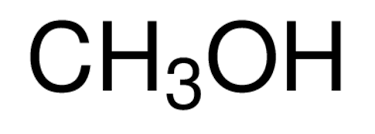
Tell us about your requirement

Price:
Quantity
Select Unit
- 50
- 100
- 200
- 250
- 500
- 1000+
Additional detail
Mobile number
Email

More Products in Chromatography Reagents & Solvents Category
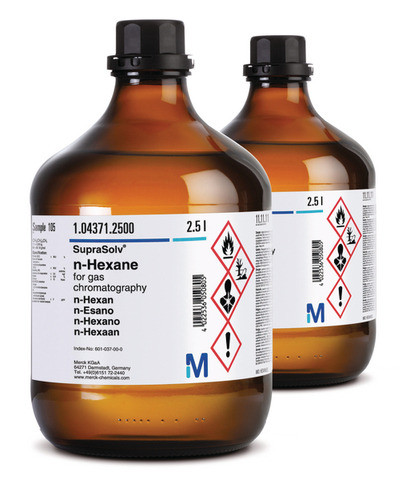
Acetone Chemical
Price 305 INR / Milliliter
Minimum Order Quantity : 1 , , Ton
Purity(%) : 98%
Physical State : Liquid
Molecular Formula : C3H6O
Packaging Type : Barrel/Drum, Tanker
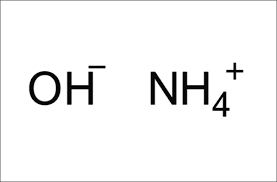
Ammonia solution 25%
Price 305 INR / Milliliter
Minimum Order Quantity : 1 Ton
Purity(%) : 98%
Physical State : Liquid
Molecular Formula : NH4OH
Packaging Type : HDPE drums, Carboys, Bottles

Heptane
Price 305 INR / Milliliter
Minimum Order Quantity : 1 , , Ton
Purity(%) : 99%
Physical State : Liquid
Molecular Formula : C7H16
Packaging Type : Drum/Barrel
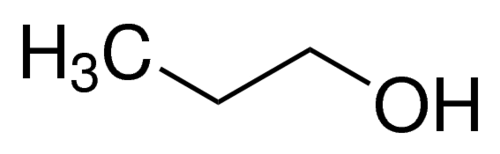
1-Propanol
Price 305 INR / Milliliter
Minimum Order Quantity : 1 Ton
Purity(%) : 9%
Physical State : Liquid
Molecular Formula : C3H8O
Packaging Type : Drum, Bottle, Jerry Can

Contact Details

- 104 / 14 B, Muljinagar society, Nizampura, Vadodara - 390002, Gujarat, India
- Phone :07971670415

- Mr Chintak (Partner)
- Mobile :07971670415
- Send Inquiry
 Send Inquiry

 Send Inquiry
 Send SMS
 Call Me Free
CHINTAN ENTERPRISE
All Rights Reserved.(Terms of Use)
Developed and Managed by Infocom Network Private Limited.
Developed and Managed by Infocom Network Private Limited.
