Trusted company that deals in Quality-made products


 Send Inquiry
Pall Membrane Filters
Price 1000 INR/ Unit
MOQ : 1 Unit
Pall Membrane Filters Specification
- Shape
- Round
- Temperature Resistance
- Up to 121C (Autoclavable)
- Features
- High chemical compatibility, precise pore size, low extractables, high flow rates, sterilizable
- Accuracy
- Pore size rated with high accuracy (commonly 0.2 m, 0.45 m, 0.8 m)
- Control Type
- Manual
- Type
- Membrane Filter
- Dimension (L*W*H)
- 47 mm diameter
- Height
- 8.9 Centimeter (cm)
- Product Type
- Pall Membrane Filters
- Weight
- 1.5 Kilograms (kg)
- Equipment Type
- Membrane Filter Unit
- Equipment Materials
- Polysulfone, Polyethersulfone, PTFE, Nylon, Cellulose Acetate, Cellulose Nitrate
- Color
- White
- Material
- Nylon
- Application
- Laboratory Filtration, Sterile Filtration, Analytical Sample Preparation
- Capacity (Ltr)
- Varies by filter type, typically up to several liters
- Sterility
- Non-sterile and sterile options available
- Compatibility
- Suitable for aqueous and organic solvents
- Diameter Options
- Usually available in 13 mm, 25 mm, 47 mm, and 90 mm
- Compliance
- Meets ISO, USP, and ASTM standards for laboratory filtration
- Filtration Purpose
- Particle removal, ultraclean filtration, and clarification
- Color
- White, black, or transparent depending on material
- Packaging
- Individually packed or bulk packs
- Pore Size Options
- Available in 0.2 m, 0.45 m, 0.8 m, and other configurations
Pall Membrane Filters Trade Information
- Minimum Order Quantity
- 1 Unit
- Supply Ability
- 1 Unit Per Week
- Delivery Time
- 1 Week
- Main Domestic Market
- All India
About Pall Membrane Filters
Properties
| Related Categories | Filtration Supplies, Labware, Manufacturer Browser,Membrane Filters, Mixed Cellulose Ester Membrane Filters, |
| material | GN-6 Metricel membrane |
| packaging | pkg of 100 ea |
| mfr. no. | Gelman 63068 |
| diam. | 25 mm |
| pore size | 0.45 m |
Description
General description
Supor polyethersulfone, for biological and pharmaceutical solutions, fast flow, low extractables, autoclavable.
HT Tuffryn polysulfone, for media and air samples, low-protein-binding, autoclavable.
GN Metricel mixed cellulose esters, for air samples and microbiological analysis, meets US EPA and ASTM specifications, autoclavable.
Nylaflo nylon, for general-purpose applications, HPLC, good chemical resistance, low extractables.
PTFE PTFE on PP support, for aggressive organics, HPLC and air/gases, hydrophobic, chemically inert.
Legal Information
Offer a wide variety of membranes that meet almost any filtration need.
Metricel is a registered trademark of Pall Corporation
Nylaflo is a trademark of Pall Corporation
Supor is a registered trademark of Pall Corporation
Tuffryn is a registered trademark of Pall Corporation
Versatile Filtration Options
Choose from a wide array of pore sizes, diameters, and materials to precisely suit your laboratory's needs. Pall Membrane Filters offer exceptional versatility, supporting applications from sterile filtration to analytical sample preparation, and can handle volumes up to several liters with consistent accuracy.
Compliance and Quality Assured
All filters meet strict ISO, USP, and ASTM laboratory standards, guaranteeing reliable results in critical processes. Manufactured with meticulous care, these membrane filters deliver high reproducibility, low extractables, and high flow rates, ensuring safety and efficiency in your lab operations.
Robust Construction for Multiple Applications
Made from durable membrane materials, including nylon and various other polymers, these filters resist high temperatures (up to 121C for autoclaving) and offer strong chemical compatibility. Their robustness and design make them ideal for both routine and challenging laboratory filtration processes.
FAQ's of Pall Membrane Filters:
Q: How do I select the appropriate pore size and diameter for my filtration application?
A: The optimal pore size and diameter depend on your specific application. Use finer pore sizes (e.g., 0.2 m) for sterile filtration or removal of smaller particulates, and larger ones (e.g., 0.8 m) for sample clarification. The diameter (such as 13 mm, 25 mm, 47 mm, 90 mm) should match the volume of liquid and the filtration apparatus.Q: What is the benefit of using Pall Membrane Filters in laboratory protocols?
A: Pall Membrane Filters provide precise particle removal, ultraclean filtrate, and rapid flow rates while maintaining low extractables. This ensures reliable analytical results, reproducible filtration, and minimal contamination across various laboratory and analytical procedures.Q: When should I use sterile versus non-sterile membrane filters?
A: Sterile filters are essential when filtering solutions that require sterility, such as in microbiological assays or cell culture preparations. Non-sterile filters suffice for general sample clarification or analytical filtrations where sterility is not a concern.Q: Where are these Pall Membrane Filters typically utilized?
A: These filters are widely used in research laboratories, pharmaceutical manufacturing, environmental testing, and analytical sample preparation. Their chemical compatibility allows for use with both aqueous and organic solvents in diverse laboratory environments.Q: What is the process for sterilizing the membrane filters if required?
A: Most Pall Membrane Filters are autoclavable at temperatures up to 121C. Place the filter in an autoclave-compatible holder or container and run a standard autoclaving cycle to ensure sterility before use, especially in aseptic or microbiological applications.Q: How do high chemical compatibility and low extractables enhance usage?
A: High chemical compatibility allows these membrane filters to be used with a wide range of solvents and solutions without degrading or leaching, while low extractables minimize the risk of contaminant interference in sensitive assays, ensuring pure and reliable results.Q: What standards or compliance certifications do Pall Membrane Filters meet?
A: These membrane filters are manufactured according to ISO, USP, and ASTM standards for laboratory filtration, ensuring they meet global benchmarks for quality, safety, and performance.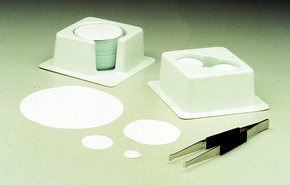
Tell us about your requirement

Price:
Quantity
Select Unit
- 50
- 100
- 200
- 250
- 500
- 1000+
Additional detail
Mobile number
Email

More Products in Laboratory Filtration Products Category
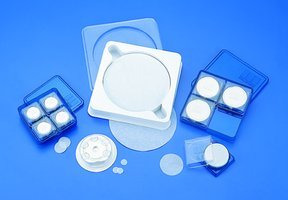
Filter membranes
Price 1000 INR / Unit
Minimum Order Quantity : 1 Unit
Product Type : Filter Membranes
Color : White and Blue
Material : Hydrophobic Polytetrafluo
Equipment Type : Laboratory Filter Membrane
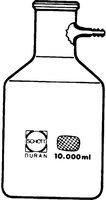
Filtering Bottle Flask
Price 1000 INR / Unit
Minimum Order Quantity : 1 Unit
Product Type : Bottle Flask
Color : White
Material : Borosilicate Glass
Equipment Type : Laboratory Glassware
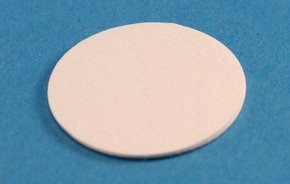
Glass-Fiber Filters
Price 1000 INR / Unit
Minimum Order Quantity : 1 Unit
Product Type : GlassFiber Filters
Color : Cream
Material : Glass
Equipment Type : Filtration Media
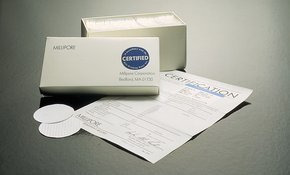
Filteres Membranfor microbiological analysis
Price 1000 INR / Unit
Minimum Order Quantity : 1 Unit
Product Type : Filteres Membranfor
Color : White
Material : Cellulose nitrate
Equipment Type : Laboratory filtration

Contact Details

- 104 / 14 B, Muljinagar society, Nizampura,Vadodara - 390002, Gujarat, India
- Phone :07971670415

- Mr Mr Chintak (Partner)
- Mobile :07971670415
- Send Inquiry
 Send Inquiry

 Send Inquiry
 Send SMS
 Call Me Free
CHINTAN ENTERPRISE
All Rights Reserved.(Terms of Use)
Developed and Managed by Infocom Network Private Limited.
Developed and Managed by Infocom Network Private Limited.
