Trusted company that deals in Quality-made products


 Send Inquiry
GC-HS Solvents
Price 305 INR/ Liter
MOQ : 1 Liter
GC-HS Solvents Specification
- Molecular Weight
- Varies with solvent
- Melting Point
- Depends on solvent (consult MSDS)
- Density
- Gram per cubic centimeter(g/cm3)
- Ph Level
- Neutral to slightly acidic/basic depending on solvent
- CAS No
- Varies with solvent (contact supplier for details)
- Boiling point
- Depends on solvent (consult MSDS)
- Storage Instructions
- Store in cool, well-ventilated area away from ignition sources
- Molecular Formula
- Varies with solvent
- Packaging Type
- Glass Bottles, Sealed Vials, Aluminum Bottles
- Size
- 5 ml / 10 ml / 25 ml / 100 ml / 500 ml / 1 L
- Usage
- GC-HS analytical procedures, sample preparation
- Flash Point
- Consult relevant MSDS for each specific solvent
- Physical State
- Liquid
- Shelf Life
- 36 months under recommended storage conditions
- Purity
- >=99.9%
- Grade
- Chemical Grade
- Type
- Industrial Lab Chemicals
- Application
- Suitable for GC-HS analysis, analytical and laboratory use
- Appearance
- Liquid
- Purity(%)
- 99%
- Filtration Level
- 0.2 m sterile filtered
- Labeling
- Clearly marked for HS identification and traceability
- Volatile Impurities
- Meets GC specifications
- Stabilizers
- Free from added stabilizers unless specified
- Water Content
- <0.01% (according to Karl Fischer Titration)
- Compatibility
- Compatible with standard GC and HS equipment
- Evaporation Residue
- 1 mg/L
- Hazard Information
- Refer to Safety Data Sheet (SDS) for handling and safety recommendations
- Odor
- Characteristic, very low or none
GC-HS Solvents Trade Information
- Minimum Order Quantity
- 1 Liter
- Supply Ability
- 1000 Liters Per Week
- Delivery Time
- 7 Days
About GC-HS Solvents
Complies to ICH guideline (Q3C), European Pharmacopoeia (Chapter 2.4.24), United States Pharmacopoeia (Chapter 467) for residual solvent analysis Organic Volatile impurities are monitored using well proven Transfer line based GCHS technique to ensure consistency in batches. Multi-step purification process to ensure the absence of impurities Inert gas blanket to prevent oxidation to ensure a higher shelf life.
FAQs of GC-HS Solvents:
Q: What is GC-HS (Gas Chromatography-Headspace) investigation?
A: GC-HS, or Gas Chromatography-Headspace examination, is a scientific procedure used to distinguish and evaluate unpredictable mixtures in an example. It includes the vaporization of unpredictable parts from an example into a shut headspace, which is then infused into a gas chromatograph for partition and examination.
Q: For what reason are solvents significant in GC-HS examination?
A: Solvents are pivotal in GC-HS examination since they are utilized to make the headspace in the example vial, permitting unpredictable mixtures to equilibrate between the example lattice and the fume stage for examination. They likewise act as a transporter gas in the gas chromatograph.
Q: What kinds of solvents are regularly utilized in GC-HS examination?
A: Normally involved solvents in GC-HS examination incorporate water, different alcohols (e.g., methanol, ethanol), and natural solvents, for example, dimethyl sulfoxide (DMSO) or dimethylformamide (DMF). The decision of dissolvable relies upon the example type and the accumulates of interest.
Q: How is the determination of the not set in stone in GC-HS examination?
A: The decision of dissolvable relies upon the idea of the example and the mixtures you need to investigate. Elements to consider incorporate the example's extremity, instability, and similarity with the dissolvable. It's crucial for select a dissolvable that doesn't respond with the example and can effectively separate unstable parts.
Q: Can the decision of dissolvable influence the consequences of GC-HS investigation?
A: Indeed, the decision of dissolvable can essentially influence the outcomes. Utilizing an improper dissolvable can prompt inadequate extraction or undesirable responses with the example, influencing the precision and dependability of the examination.
Ultra-Pure Solvents for Precision Analysis
Experience exceptional analytical accuracy with GC-HS solvents featuring a water content below 0.01%, negligible evaporation residue, and a stabilizer-free formulation. These characteristics enable high reliability and consistency in gas chromatography and headspace applications across research and laboratory settings.
Safe and Traceable Laboratory Solutions
All GC-HS solvents are clearly labeled for HS identification and traceability, helping you maintain accurate records and safety compliance. Consult the Safety Data Sheet (SDS) for specific hazard information and observe recommended storage in cool, well-ventilated spaces to preserve product integrity.
Flexible Packaging and Storage Options
Choose from a spectrum of packaging-from 5 ml vials to 1-liter aluminum bottles-tailored to your experimental scale and workflow demands. Each unit is designed to prevent contamination, prolonging shelf life up to 36 months when stored under optimal conditions.
FAQ's of GC-HS Solvents:
Q: How are GC-HS solvents with <0.01% water content prepared and tested?
A: GC-HS solvents are manufactured and rigorously filtered (0.2 m sterile) to achieve a water content below 0.01%, verified through Karl Fischer titration. Each batch is also checked for low evaporation residue and volatile impurities, ensuring suitability for sensitive GC and HS analysis.Q: What applications are these GC-HS solvents best suited for in laboratory use?
A: These solvents are ideal for gas chromatography-headspace (GC-HS) analytical procedures, sample preparation, and standard laboratory testing where high purity, low water content, and chemical compatibility are essential.Q: When should the solvents be used after opening, and how are they stored?
A: Solvents should ideally be used as soon as possible after opening to avoid moisture or contamination. They should be stored in tightly sealed containers in a cool, well-ventilated area away from ignition sources, as specified in their Safety Data Sheet (SDS).Q: Where can I find detailed chemical and safety information for each solvent?
A: Comprehensive hazard, boiling and melting point, and safety data are provided in each solvent's Safety Data Sheet (SDS) and Material Safety Data Sheet (MSDS). Contact the supplier or manufacturer for a copy specific to each solvent type.Q: What is the process for selecting the correct GC-HS solvent for my instrument?
A: Select a solvent that matches the technical requirements of your GC or HS equipment and your analytical method. All offered solvents are compatible with standard instruments, but consulting product specifications and technical support is recommended for optimal performance.Q: How do these solvents benefit laboratory workflows compared to standard-grade chemicals?
A: With their ultra-low water content, minimal residue, and strict impurity controls, these GC-HS solvents minimize baseline noise and contamination risks-yielding more reliable, reproducible analytical results and reducing instrument maintenance frequency.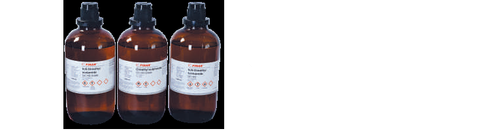
Tell us about your requirement

Price:
Quantity
Select Unit
- 50
- 100
- 200
- 250
- 500
- 1000+
Additional detail
Mobile number
Email

More Products in Laboratory Chemicals Category
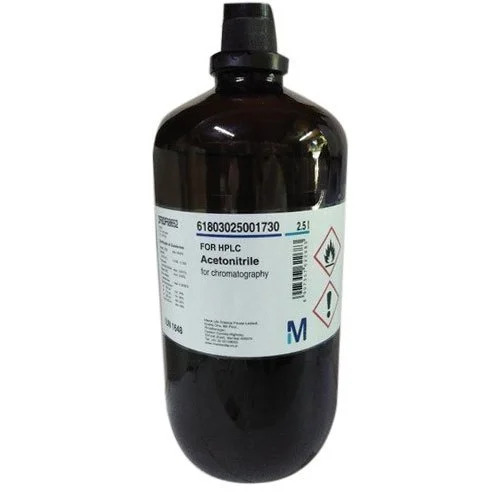
Acetonitrile for chromatography, 2.5 Ltr
Price 280 INR / Liter
Minimum Order Quantity : 1 Liter
Packaging Type : Amber glass bottle
Type : Other, Solvent for Chromatography
Appearance : Clear, colorless liquid
Grade : HPLC Grade
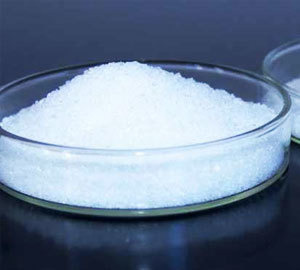
Sodium Citrate Dihydrate
Price 305 INR / Kilograms
Minimum Order Quantity : 1 Kilograms
Packaging Type : Bag / Drum
Type : Industrial Lab Chemicals
Appearance : Power
Grade : Chemical Grade
Karl Fischer Reagent
Price 305 INR / Liter
Minimum Order Quantity : 1 Liter
Packaging Type : Sealed glass bottle/HDPE bottle
Type : School Lab Chemicals
Appearance : Liquid
Grade : Chemical Grade
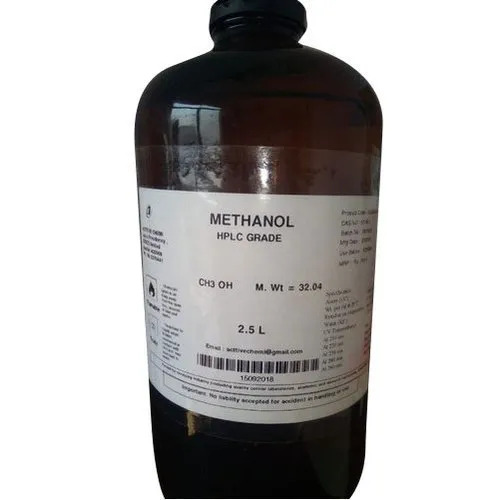
Methanol Hplc Grade
Price 118.00 INR / Liter
Minimum Order Quantity : 1 Liter
Packaging Type : Bottle
Type : Other
Appearance : Clear, colorless liquid
Grade : HPLC

Contact Details

- 104 / 14 B, Muljinagar society, Nizampura,Vadodara - 390002, Gujarat, India
- Phone :07971670415

- Mr Mr Chintak (Partner)
- Mobile :07971670415
- Send Inquiry
 Send Inquiry

 Send Inquiry
 Send SMS
 Call Me Free
CHINTAN ENTERPRISE
All Rights Reserved.(Terms of Use)
Developed and Managed by Infocom Network Private Limited.
Developed and Managed by Infocom Network Private Limited.
