Trusted company that deals in Quality-made products


 Send Inquiry
Cyclohexane - ethyl acetate
Price 305 INR/ Milliliter
MOQ : 1 Ton
Cyclohexane - ethyl acetate Specification
- Packaging Type
- Drum
- Physical State
- Liquid
- Molecular Formula
- Not specified (mixture of cyclohexane & ethyl acetate)
- Usage
- Chemical synthesis, Solvent
- Molecular Weight
- Not specified (mixture of cyclohexane & ethyl acetate)
- Storage Instructions
- Store in a cool and dry place
- CAS No
- 3301-94-8
- Shelf Life
- 12 Months
- Purity
- 99%
- Grade
- Chemicals
- Type
- Industrial Lab Chemicals
- Application
- Laboratory, Industrial
- Appearance
- Solid
- Purity(%)
- 99%
- HS Code
- 2915
- Transport Information
- Flammable liquid, handle with care
- Solubility
- Insoluble in water, soluble in organic solvents
- Odor
- Characteristic
- Stability
- Stable under normal storage conditions
- Hazard Class
- 3 (Flammable Liquid)
Cyclohexane - ethyl acetate Trade Information
- Minimum Order Quantity
- 1 Ton
- Payment Terms
- Cash Advance (CA), Cash in Advance (CID)
- Supply Ability
- 1 Ton Per Week
- Delivery Time
- 1 Week
- Main Domestic Market
- All India
About Cyclohexane - ethyl acetate
Solvents for GC applications
grade | for pesticide residue analysis |
assay | 49.5-50.5% (cyclohexane, GC) |
| 49.5-50.5% (ethyl acetate, GC) |
impurities | 0.01% water |
| 5 ng/L lindane |
evapn. residue | 0.001% |
Description
Application
Suitable for sample cleanup and/or extraction when performing pesticide residue analysis[1][2].
Legal Information
PESTANAL is a registered trademark of Sigma-Aldrich International GmbH
Solubility and Physical Properties
Cyclohexane - ethyl acetate is insoluble in water but dissolves easily in most organic solvents. It is recognized by its characteristic odor and typically handled in liquid form, though it may appear solid under certain environmental conditions. This makes it ideal for use in chemical synthesis requiring organic solubility.
Storage and Safety Precautions
Since this chemical is flammable (Hazard Class 3), it should be handled with care and kept away from ignition sources. Proper storage involves keeping it in a cool, dry place, ideally in sealed drums. This ensures both safety and chemical integrity during its 12-month shelf life.
Applications in Industry and Laboratories
Cyclohexane - ethyl acetate serves various applications, mainly as a chemical synthesis reagent and a solvent. Its compatibility with organic compounds makes it suitable for both industrial-scale operations and laboratory research, especially in environments requiring high-purity chemicals.
FAQ's of Cyclohexane - ethyl acetate:
Q: How should Cyclohexane - ethyl acetate be stored safely?
A: It is best to store Cyclohexane - ethyl acetate in a tightly sealed drum, placed in a cool, dry location away from heat, flames, or direct sunlight. Ensure that storage areas are well-ventilated to minimize the risk of fire, as this chemical is flammable.Q: What is the recommended usage of Cyclohexane - ethyl acetate in industrial and laboratory settings?
A: This chemical blend is commonly used as a solvent or for facilitating chemical synthesis due to its high purity and excellent solubility in organic solvents. Always follow standard laboratory or industrial protocols for handling, and consult the material safety data sheet for specific guidelines.Q: When is it appropriate to substitute Cyclohexane - ethyl acetate for other solvents?
A: You should consider substituting Cyclohexane - ethyl acetate in processes where water insolubility and organic solubility are advantageous, such as organic reactions or extractions. Its characteristic odor and flammable nature should be considered when assessing workplace suitability.Q: Where can Cyclohexane - ethyl acetate be sourced in India?
A: It is distributed, exported, manufactured, and supplied by several companies across India, often available through specialized chemical traders catering to laboratory and industrial clients.Q: What precautions are necessary during the transport of Cyclohexane - ethyl acetate?
A: As a Hazard Class 3 flammable liquid, Cyclohexane - ethyl acetate must be transported in compliance with regulations for hazardous materials. Use appropriate labeling on drums, ensure containers are securely sealed, and avoid exposure to heat sources during transit.Q: What are the main benefits of using Cyclohexane - ethyl acetate over single-component solvents?
A: Cyclohexane - ethyl acetate offers combined solvent properties, enabling efficient solubilization of a broader range of organic compounds in synthesis and extraction applications. Its high purity and stability also result in reliable and consistent performance.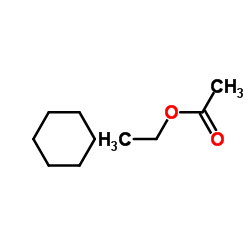
Tell us about your requirement

Price:
Quantity
Select Unit
- 50
- 100
- 200
- 250
- 500
- 1000+
Additional detail
Mobile number
Email

More Products in Chromatography Reagents & Solvents Category
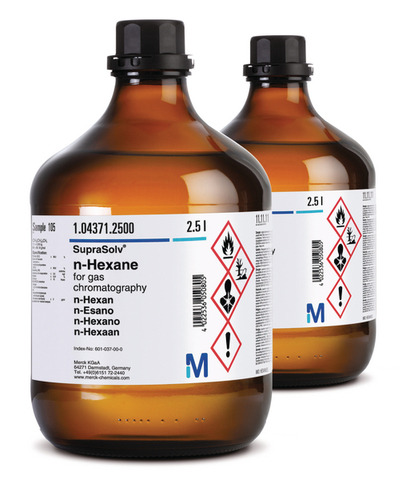
2-Propanol
Price 305 INR / Milliliter
Minimum Order Quantity : 1 Ton
Ph Level : Neutral
CAS No : 67630
Shelf Life : 2 years
Purity : 99.9%
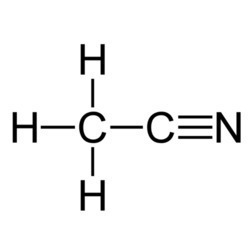
Acetonitrile ( HPLC-GC)
Price 305 INR / Milliliter
Minimum Order Quantity : 1 , , Ton
Ph Level : Neutral
CAS No : 75058
Shelf Life : 36 Months
Purity : 99.9%
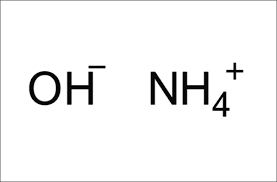
Ammonia solution 25%
Price 305 INR / Milliliter
Minimum Order Quantity : 1 Ton
Ph Level : 11.6 12.0
CAS No : 1336216
Shelf Life : 24 months under recommended storage conditions
Purity : 25%
Acetone Chemical
Price 305 INR / Milliliter
Minimum Order Quantity : 1 , , Ton
Ph Level : Neutral
CAS No : 67641
Shelf Life : 24 months
Purity : 99.5%

Contact Details

- 104 / 14 B, Muljinagar society, Nizampura, Vadodara - 390002, Gujarat, India
- Phone :07971670415

- Mr Mr Chintak (Partner)
- Mobile :07971670415
- Send Inquiry
 Send Inquiry

 Send Inquiry
 Send SMS
 Call Me Free
CHINTAN ENTERPRISE
All Rights Reserved.(Terms of Use)
Developed and Managed by Infocom Network Private Limited.
Developed and Managed by Infocom Network Private Limited.
