Trusted company that deals in Quality-made products

 Send Inquiry
Anhydrous Aluminum Chloride
Price 87 INR/ Kilograms
MOQ : 1000 Kilograms
Anhydrous Aluminum Chloride Specification
- Purity
- 99%
- Size
- Crystalline powder or lumps
- Storage Instructions
- Store in cool, dry place, tightly closed container, away from moisture
- Density
- 2.44 Gram per cubic centimeter(g/cm3)
- Packaging Type
- HDPE Bags/Drums with inner polythene liner
- Flash Point
- Non-flammable
- Molecular Weight
- 133.34 g/mol
- Melting Point
- 192.4C
- Boiling point
- 180C (sublimes)
- Shelf Life
- 24 Months
- Usage
- Used in Friedel-Crafts reactions, polymerization, pharmaceuticals, dyes production
- Molecular Formula
- AlCl3
- Ph Level
- Strongly acidic in solution
- CAS No
- 7446-70-0
- Physical State
- Solid (crystalline)
- Grade
- Chemical Grade
- Type
- Industrial Lab Chemicals
- Application
- Catalyst, Dyes and Pigments Manufacturing, Pharmaceuticals
- Appearance
- White and yellow Power
- Purity(%)
- 99%
- Moisture
- Less than 0.1%
- HS Code
- 28273000
- Solubility
- Reacts violently with water; soluble in chloroform, benzene, carbon disulfide
- Reactivity
- Reacts exothermically with water and alcohols
- Hazard Information
- Corrosive, causes burns, harmful if inhaled
- Stability
- Stable under recommended storage conditions
- Odor
- Pungent
Anhydrous Aluminum Chloride Trade Information
- Minimum Order Quantity
- 1000 Kilograms
- Payment Terms
- Cash Advance (CA), Cash in Advance (CID)
- Supply Ability
- 25 Kilograms Per Day
- Delivery Time
- 1 Week
- Sample Policy
- Contact us for information regarding our sample policy
- Packaging Details
- 50 kg Hdpe BAG
- Main Domestic Market
- All India, Gujarat
- Certifications
- COA
About Anhydrous Aluminum Chloride
Being the leaders in the market, we are offering quality assured Anhydrous Aluminum Chloride. Provided chemical is broadly demanded to process of ethyl benzene, hydrocarbon, isopropyl, benzene, titanium dioxides, trepan resins and poly butanes. This chemical is highly appreciated by our esteemed customer for their attributes such as safe to use, high reactivity, and low iron content. Our offered chemicals are processed under the vigilance of skilled professionals employing cutting-edge technology In line with set quality norms. We provide these chemicals in various packaging options as per the requirement of our clients. Moreover, clients can avail this Aluminum Anhydrous Chloride from us at affordable prices.
Exceptional Reactivity and Purity
Anhydrous Aluminum Chloride is recognized for its high purity (99%) and potent chemical reactivity, making it indispensable in several industrial applications. Its solid, crystalline form ensures effective performance as a catalyst in organic syntheses, particularly Friedel-Crafts reactions. Due to its exothermic response with water and alcohols, it is handled with care and stored in moisture-free environments.
Versatile Applications in Industry
This compound is extensively used as a catalyst in the production of pharmaceuticals, dyes, pigments, and in various polymerization processes. Its ability to mediate complex chemical transformations efficiently underpins its critical role in the chemical manufacturing sector. Industries trust Anhydrous Aluminum Chloride for its consistent quality and reliable performance in demanding applications.
Safe Handling and Storage
Owing to its corrosive and highly reactive nature, Anhydrous Aluminum Chloride must always be stored in cool, dry places with robust, moisture-tight packaging like HDPE bags or drums with inner polythene liners. Proper storage not only preserves its shelf life of up to 24 months but also safeguards users from its hazardous properties, such as causing burns or harm if inhaled.
FAQ's of Anhydrous Aluminum Chloride:
Q: How should Anhydrous Aluminum Chloride be safely stored to maintain its quality?
A: Store Anhydrous Aluminum Chloride in a cool, dry place within tightly closed containers such as HDPE bags or drums with an inner polythene liner. It should be kept away from moisture and sources of water to prevent violent reactions and preserve its purity.Q: What processes commonly utilize Anhydrous Aluminum Chloride?
A: This compound is widely used in Friedel-Crafts alkylation and acylation reactions, polymerization, pharmaceuticals production, and the manufacturing of dyes and pigments. Its strong catalytic properties facilitate various organic syntheses and industrial transformations.Q: When is Anhydrous Aluminum Chloride most beneficial in industrial applications?
A: It is particularly valuable as a catalyst in processes that require strong Lewis acids, such as the synthesis of pharmaceuticals, polymers, dyes, and specialty chemicals, where efficiency and product yield are crucial.Q: Where can Anhydrous Aluminum Chloride be sourced in India?
A: It is available through multiple distributors, exporters, manufacturers, suppliers, and traders across India, specializing in industrial and laboratory-grade chemicals.Q: What precautions are necessary when handling Anhydrous Aluminum Chloride?
A: Proper personal protective equipment (PPE) like gloves, goggles, and face protection are essential, as the substance is corrosive and can cause burns or be harmful if inhaled. Avoid contact with water and alcohols due to exothermic and potentially violent reactions.Q: How is Anhydrous Aluminum Chloride used in dye and pigment manufacturing?
A: It acts as a catalyst to drive critical reactions during the synthesis of various dyes and pigments, offering high reaction efficiency and facilitating the formation of complex molecular structures essential in colorants.Q: What is the benefit of using this chemical as a catalyst in the pharmaceuticals industry?
A: Its high purity and strong Lewis acidity accelerate chemical reactions, increase product yields, and improve process efficiency, making it indispensable for the large-scale synthesis of pharmaceutical intermediates.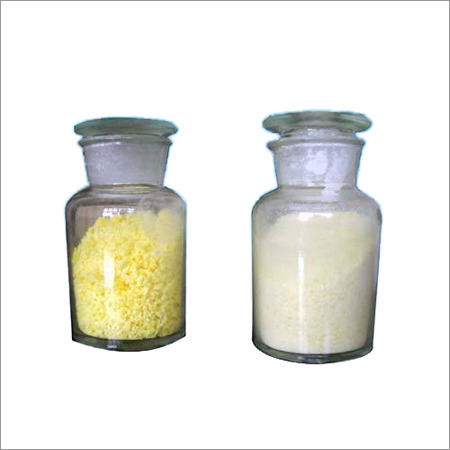
Tell us about your requirement

Price:
Quantity
Select Unit
- 50
- 100
- 200
- 250
- 500
- 1000+
Additional detail
Mobile number
Email

More Products in Bulk Chemical GACL Category
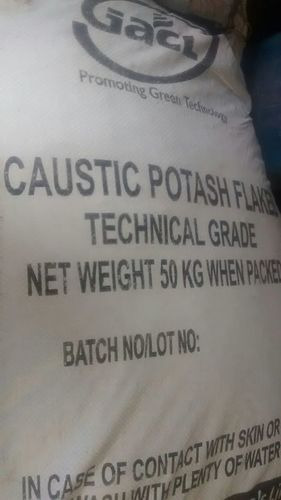
Caustic Potash Flakes
Price 100 INR / Kilograms
Minimum Order Quantity : 1000 Kilograms
Purity(%) : 99%
Appearance : White Solid
Type : Industrial Lab Chemicals
Size : Standard Flakes
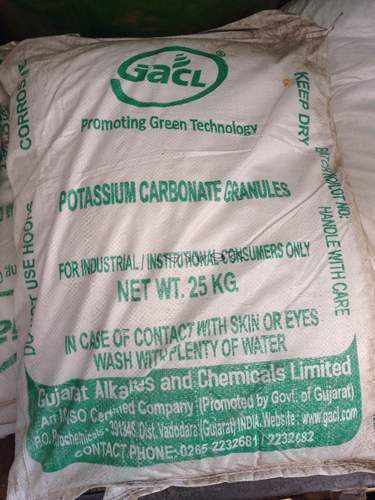
Potassium Carbonate
Price 120 INR / Kilograms
Minimum Order Quantity : 1000 Kilograms
Purity(%) : 98%
Appearance : White Powder
Type : Industrial Lab Chemicals
Size : As Required / Standard Packaging Size
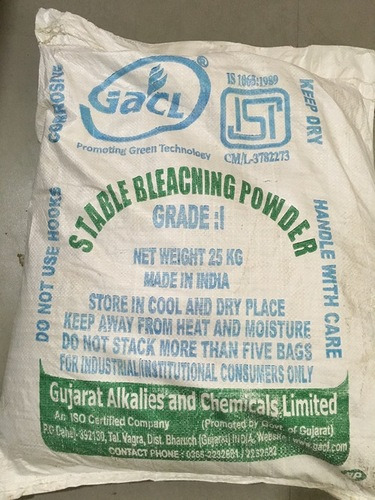
Stable Bleaching Powder
Price 18 INR / Kilograms
Minimum Order Quantity : 1000 Kilograms
Purity(%) : 985
Appearance : White Gray Powder
Type : Industrial Lab Chemicals
Size : Standard granule or powder
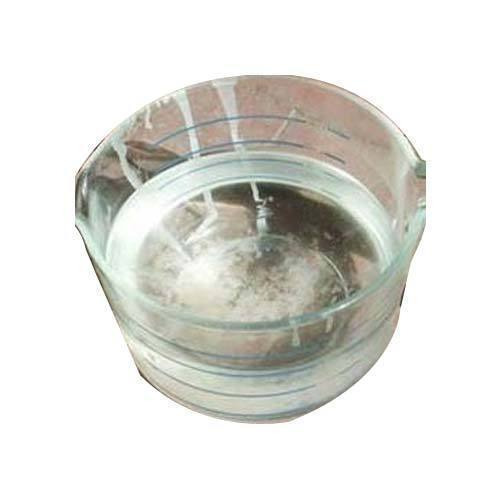
Caustic Soda Lye
Price 36 INR / Liter
Minimum Order Quantity : 1000 Liters
Purity(%) : 99%
Appearance : Colourless Liquid
Type : Industrial Lab Chemicals
Size : Standard

Contact Details

- 104 / 14 B, Muljinagar society, Nizampura,Vadodara - 390002, Gujarat, India
- Phone :07971670415

- Mr Mr Chintak (Partner)
- Mobile :07971670415
- Send Inquiry
 Send Inquiry

 Send Inquiry
 Send SMS
CHINTAN ENTERPRISE
All Rights Reserved.(Terms of Use)
Developed and Managed by Infocom Network Private Limited.
Developed and Managed by Infocom Network Private Limited.
